

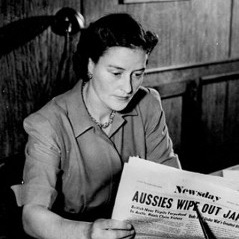
 Alicia Patterson reluctantly became a newspaper publisher in 1940. Her husband wanted to keep her busy and she wanted to show her accomplished father that she could be as good a journalist as he was. From that timid start she created Newsday, the most successful new daily newspaper of the postwar period.


My Parents’ Dementia Felt Like the End of Joy. Then Came the Robots
Forget the crappy caregiver bots and puppy-eyed seals. When my parents got sick, I turned to a new generation of roboticists—and their glowing, talking, blobby creations. This article first appeared in the January, 2024 edition of Wired. Her research was
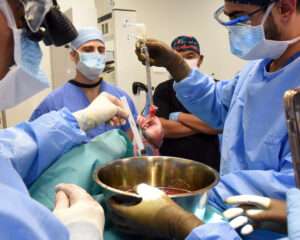
The Allure and Dangers of Experimenting With Brain-Dead Bodies
For scientists who perform medical research on the recently deceased, there are few regulatory or ethical guardrails. This article, written by Jyoti Madhusoodanan, is based on her 2023 Alicia Patterson Foundation fellowship research on human experiments and greater openness behind

In Kosovo, War Survivors Turned Homes Into Their Own Museums
This article, by APF fellow Nina Strochlic, first appeared in the Washington Post on February 21, 2024. It was supported by her research for her APF fellowship. POKLEK, Kosovo — Fadil Muqolli has spent more than two decades trying to
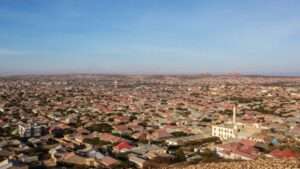
A Country Shaped By Poetry
This article, by APF fellow Nina Strochlic, first appeared in the Noēma Magazine on February 21, 2024. It was supported by her research for her APF fellowship. Hargeysa, the capital city of Somaliland. (Mustafa Saeed/Noema Magazine) Somaliland’s poets have toppled

How a controversial US drug policy could be harming cancer patients worldwide
Illustration by Karol Banach In August 2021, Amol Akhade, an oncologist at Nair Medical Hospital in Mumbai, India, received an e-mail from the Swiss drug manufacturer Roche recommending the use of a drug named atezolizumab to treat a specific kind
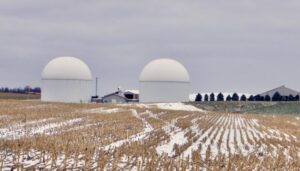
US push to turn farm manure into renewable energy draws concerns
AMES, IOWA – In a gathering that drew the attendance of both farmers and Wall Street financiers, US regulators joined with oil giant Chevron at a November conference here to promote what backers promise will be a monumental breakthrough –
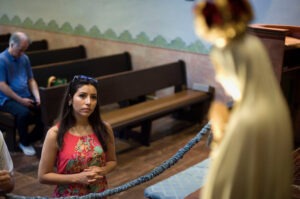
Where is the Future of the Catholic Church? Watching Young Adults Drop Out
The Catholic Church in the United States is split over the role of women, and whether Joe Biden should receive Holy Communion, but these divisions pale in comparison to the gap between the hierarchy and many young Catholics. They are
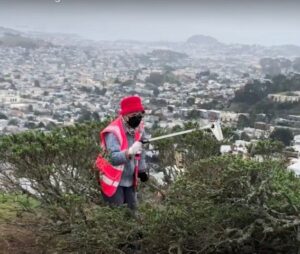
Pope’s Environmental Stand Splits Catholics
The ecological concern Pope Francis has sparked among Catholics –and resistance to it– reflect how the faithful are split over the climate emergency, the role of capitalism, and where 1.3 billion global Catholics should put their money and clout. Powerful
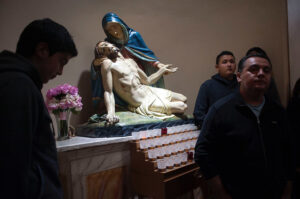
Fractured Worship
The small congregation of Roman Catholic women gathered for Mass not in a church but a living room, with a woman presider rather than a male priest. After the homily, each of the women offered a brief reflection. They took
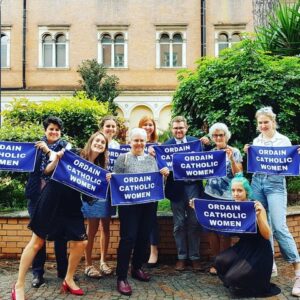
Sign of Catholic Divide – Women Want a Bigger Role in the Church
The small congregation prayed, sang, and listened to readings from scripture as any other Roman Catholics might do at Mass, rendering particular reverence at the moment of consecration, when the faithful believe bread and wine become the body and blood
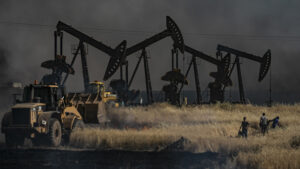
The Inside Story of How Trump ‘Kept the Oil’ in Syria and Lost
This article, by APF fellow Kenneth R. Rosen, first appeared in The Daily Beast on May 21, 2021. It was supported by his research for his APF fellowship. Delil Souleiman/Getty The mind-blowingly ambitious plan would have seen Delta Crescent, a
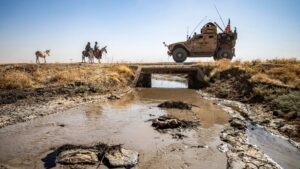
The American Wildcatters Who Sought Syrian Oil
This piece, written by APF fellow Kenneth R. Rosen, ran in Esquire Magazine, on November, 15, 2022. It was supported by his research for his APF fellowship. Amidst a global energy shortage, the three men behind Delta Crescent Energy figured